![Virtuoso Legal Services [Best Legal Opinion Services 24×7]](https://legalopinion.org.in/wp-content/uploads/2023/09/cropped-logo.png)
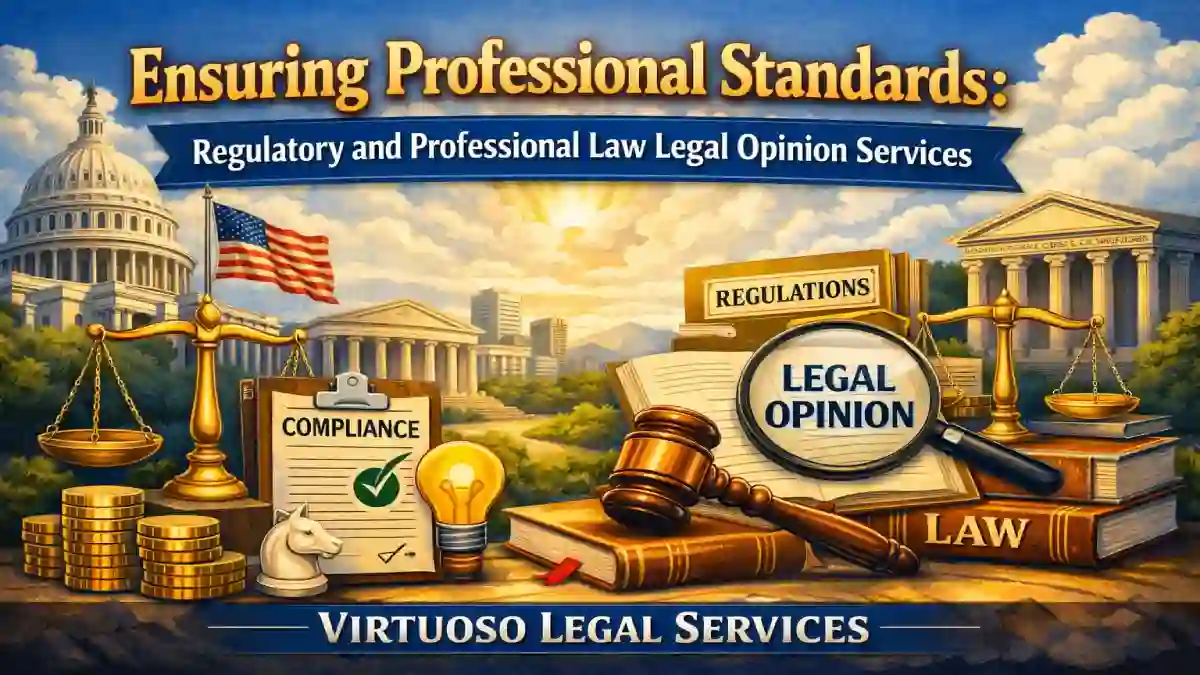
Ensuring Professional Standards: Regulatory and Professional Law Legal Opinion Services
Ensuring Professional Standards – Professional standards shape trust, accountability, and lawful conduct across industries. Regulatory and Professional Law Legal Opinion Services help organizations assess compliance obligations accurately. Therefore, businesses seek legal opinions before major operational decisions. Professional bodies, regulators, and government departments impose sector-specific obligations. Legal opinions identify risks and recommend corrective measures. Organizations frequently face licensing disputes, disciplinary proceedings, and compliance investigations. Moreover, legal assessments support governance and risk management programs. Professional misconduct allegations may affect reputation and business continuity. Courts, tribunals, and regulatory authorities review compliance failures seriously. Legal opinions provide clarity regarding applicable statutes and obligations. Businesses often rely on these opinions during audits and inspections. Proper guidance reduces exposure to penalties and litigation. Consequently, regulatory compliance becomes a strategic business function. Strong legal oversight promotes sustainable growth and professional credibility across industries.
Ensuring Professional Standards: Regulatory and Professional Law Legal Opinion Services – Virtuoso Legal Services
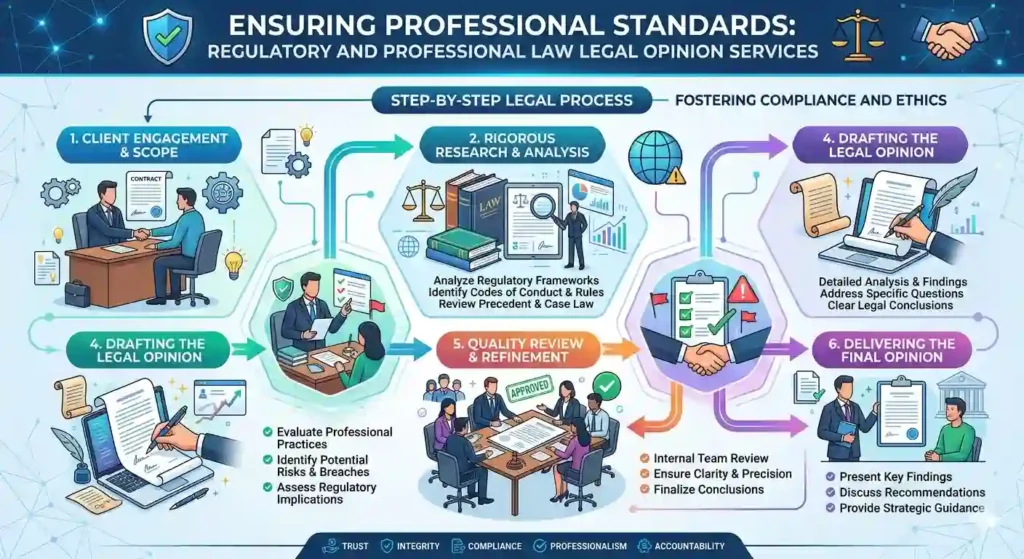
Common Regulatory Issues Requiring Legal Opinions
Businesses encounter diverse regulatory challenges throughout their operations. However, early legal analysis prevents costly enforcement actions. Regulatory frameworks vary according to industry requirements and jurisdiction. Legal opinions clarify obligations under applicable laws and regulations. Organizations often seek advice regarding licenses and registrations. Furthermore, compliance failures may trigger investigations or disciplinary proceedings. Professional bodies frequently examine ethical and operational conduct. Companies require guidance before responding to notices or complaints. Legal opinions assess exposure and available defenses objectively. Common issues include:
- Licensing disputes.
- Professional misconduct allegations.
- Compliance audits.
- Regulatory investigations.
- Ethical violations.
Proper evaluation strengthens organizational decision-making processes. Businesses that seek timely advice often avoid prolonged disputes. Consequently, legal opinions serve as valuable compliance tools. Professional guidance also supports transparent governance practices.
Role of Legal Opinions in Risk Management
Risk management depends upon accurate legal interpretation and compliance planning. Legal opinions identify vulnerabilities before regulatory actions arise. Therefore, organizations can implement corrective measures proactively. Professional advisors review documents, policies, and operational procedures carefully. Legal analysis addresses sector-specific obligations and reporting requirements. Regulatory authorities expect organizations to maintain adequate compliance systems. Moreover, stakeholders increasingly demand accountability and transparency. Legal opinions support management decisions during uncertain circumstances. Businesses often rely on these assessments before transactions. Clear guidance reduces operational disruptions and enforcement risks. Internal compliance teams benefit from independent legal evaluations. Professional advice also strengthens responses to regulatory inquiries. Organizations should integrate legal reviews into governance frameworks. Consequently, compliance becomes more effective and predictable. Risk mitigation efforts achieve greater success through informed legal planning.
Key Regulatory Authorities and Government Departments
Several authorities supervise professional and regulatory compliance matters. Jurisdiction depends upon industry, profession, and applicable legislation. Organizations should understand the role of each authority. Important regulators include:
| Authority | Function |
|---|---|
| Ministry Departments | Policy and oversight |
| Professional Councils | Professional standards |
| Regulatory Commissions | Industry regulation |
| Consumer Authorities | Consumer protection |
| Commercial Courts | Civil disputes |
Additionally, sector-specific regulators monitor licensing and compliance obligations. Businesses should cooperate with lawful inspections and inquiries. Regulatory actions may affect operations significantly. Legal opinions help interpret notices and directives correctly. Professional support ensures compliance responses remain legally sound. Consequently, organizations can address concerns effectively while protecting their interests.
Legal Framework Governing Professional Standards
Professional conduct depends upon statutory obligations and ethical requirements. Regulatory compliance often intersects with civil and criminal laws. Therefore, organizations require comprehensive legal evaluations. Relevant legal frameworks include:
• Code of Civil Procedure, 1908 (CPC).
• Bharatiya Nyaya Sanhita, 2023 (BNS).
• Bharatiya Nagarik Suraksha Sanhita, 2023 (BNSS).
• Bharatiya Sakshya Adhiniyam, 2023 (BSA).
• Industry-specific regulatory statutes.
These laws influence investigations, evidence, and dispute resolution processes. Courts and tribunals interpret obligations based upon facts and law. Businesses should review compliance procedures regularly. Legal opinions explain statutory requirements clearly. Consequently, organizations gain practical guidance for lawful operations. Effective compliance programs reduce regulatory exposure significantly.
Professional Misconduct and Disciplinary Proceedings
Professional misconduct allegations can damage organizational credibility quickly. Therefore, immediate legal assessment becomes essential. Regulatory authorities may initiate inquiries after complaints or inspections. Legal opinions evaluate allegations and available defenses objectively. Organizations should preserve relevant records and communications carefully. Professional bodies often conduct disciplinary hearings. Businesses must understand procedural rights and obligations. Moreover, legal advisors prepare responses and supporting evidence. Compliance failures sometimes result from procedural misunderstandings. Independent legal analysis identifies weaknesses in regulatory claims. Proper representation improves outcomes during disciplinary proceedings. Organizations should avoid speculative or inconsistent explanations. Strategic legal responses protect reputation and operational continuity. Consequently, legal opinions play a crucial role during investigations and hearings.
Forums, Tribunals, and Courts Handling Disputes
Regulatory disputes proceed before different forums depending upon jurisdiction. Understanding available forums improves dispute management strategies. Important forums include:
- Regulatory Authorities.
- Professional Disciplinary Committees.
- Consumer Commissions.
- Commercial Courts.
- High Courts.
Certain disputes require appellate remedies before specialized tribunals. Moreover, judicial review may become available in appropriate cases. Courts examine procedural fairness and statutory compliance. Organizations should evaluate forum-specific procedures carefully. Legal opinions help determine suitable remedies and strategies. Timely action remains essential during dispute resolution. Consequently, businesses can safeguard rights through informed legal decision-making.
Civil Remedies Available to Aggrieved Parties
Regulatory violations may create civil liabilities and commercial losses. Therefore, affected parties often pursue legal remedies. Courts may grant various forms of relief based upon evidence. Common remedies include:
• Injunctions.
• Declaratory relief.
• Compensation claims.
• Recovery proceedings.
• Specific performance orders.
Legal opinions assess the viability of available remedies. Businesses should gather supporting documents systematically. Proper documentation strengthens legal claims substantially. Professional advice assists during negotiations and litigation. Consequently, organizations can pursue effective dispute resolution strategies. Legal planning also minimizes unnecessary procedural delays.
Criminal Liability and Enforcement Actions
Certain regulatory breaches attract criminal consequences under applicable laws. Authorities may investigate fraud, misrepresentation, or unlawful conduct. Therefore, organizations should seek immediate legal guidance. Police stations nearby may receive complaints involving serious violations. Investigations follow procedures established under BNSS, 2023. Evidence evaluation occurs under BSA, 2023 principles. Certain offences may invoke provisions under BNS, 2023. Legal opinions help organizations understand potential exposure. Professional advisors assess compliance records and factual circumstances. Early intervention often reduces enforcement risks. Businesses should cooperate lawfully while protecting legal rights. Consequently, legal guidance becomes essential during investigations and enforcement proceedings.
Best Practices for Regulatory Compliance Excellence
Regulatory compliance requires continuous monitoring and organizational commitment. Businesses should adopt structured governance and oversight mechanisms. Therefore, legal opinions should support periodic compliance reviews. Organizations must maintain accurate records and reporting systems. Employee training strengthens awareness of regulatory obligations. Furthermore, internal audits identify weaknesses before regulators intervene. Compliance policies should reflect current legal requirements. Businesses should establish reporting channels for potential concerns. Professional advisors can review governance frameworks regularly. Risk assessments help prioritize corrective actions effectively. Strong documentation supports regulatory inspections and audits. Organizations that invest in compliance achieve operational stability. Consequently, legal opinions contribute to long-term business resilience. Effective compliance programs protect reputation and stakeholder confidence.
Building a Strong Professional Governance Framework
Governance frameworks support ethical conduct and regulatory compliance. Organizations should align operational practices with legal requirements. Moreover, leadership must promote accountability across all departments. Compliance committees often strengthen oversight and transparency. Legal opinions guide policy development and implementation efforts. Businesses should review governance structures periodically. Continuous improvement enhances compliance effectiveness significantly. Stakeholders increasingly expect strong ethical standards. Therefore, organizations must respond proactively to regulatory changes. Effective governance reduces litigation and enforcement risks. Professional advisors assist with policy reviews and compliance planning. Businesses that prioritize governance build sustainable competitive advantages. Consequently, legal opinion services remain essential for responsible organizational management. Long-term compliance success depends upon informed decision-making and legal vigilance.
FAQs
1. What is a Regulatory and Professional Law legal opinion?
A legal opinion analyzes compliance obligations, regulatory risks, legal exposure, and available remedies for businesses and professionals.
2. When should a business obtain a legal opinion?
Businesses should seek legal opinions before audits, investigations, licensing applications, disciplinary proceedings, and major transactions.
3. Can legal opinions help during regulatory investigations?
Yes. Legal opinions assess risks, explain obligations, prepare responses, and support lawful engagement with regulators.
4. What remedies exist for regulatory disputes?
Remedies include appeals, injunctions, compensation claims, judicial review, settlement negotiations, and compliance rectification measures.
5. Which forums handle professional misconduct cases?
Professional councils, disciplinary committees, regulatory authorities, tribunals, commercial courts, and High Courts may hear disputes.
6. How do BNS, BNSS, and BSA affect regulatory matters?
These laws govern offences, investigation procedures, evidence evaluation, and enforcement actions relating to regulatory violations.
Read More
- Streamlining Vehicle Registrations: Regional Transport Office (RTO) Legal Experts
- Recovering Business Dues: Recovery of Business Dues Legal Opinion Services
- Securing Real Estate Transactions: Real Estate Law Legal Experts
- Ensuring Rail Safety: Railway Law Legal Opinion Services
- Navigating Public Sector Laws: Public Law Legal Experts
- Ministry of Law and Justice